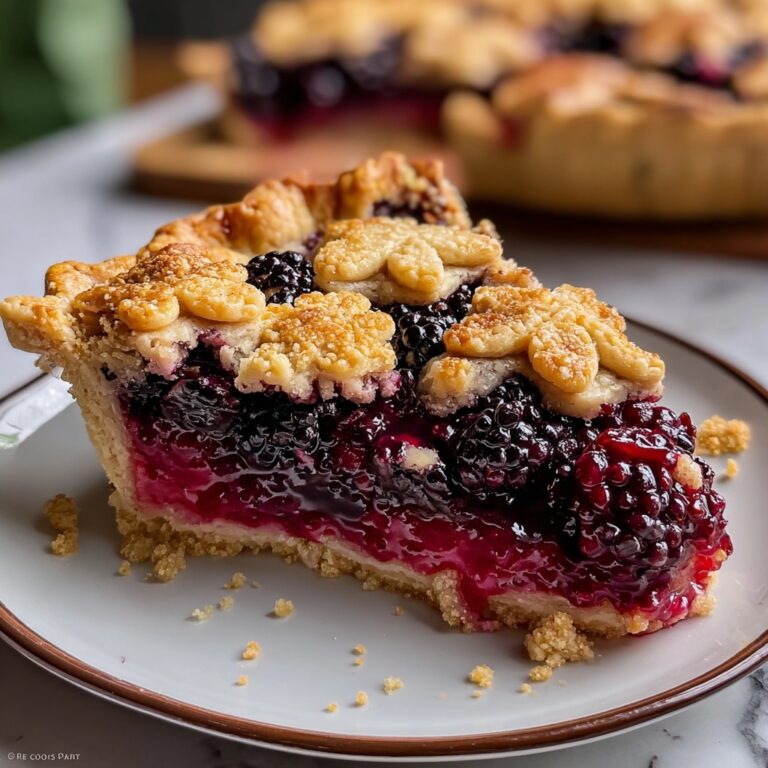

If you’re craving an unforgettable rice dish that dazzles with both flavor and texture, let me introduce you to the Crispy Persian Tahdig with Dried Cherries, Orange Zest, and Pistachios Recipe. This traditional Persian treat isn’t just ordinary rice; it’s a golden, crunchy crust layered with fragrant saffron, bright citrus zest, sweet dried cherries, and nutty pistachios. Every bite gives you a perfect balance of crispy crunch and tender rice, accented by warm cinnamon and a subtle tang of yogurt. It’s one of those recipes that feels special yet is surprisingly easy to make—a true showstopper any time you want to impress or just indulge in something beautifully comforting.
Ingredients You’ll Need
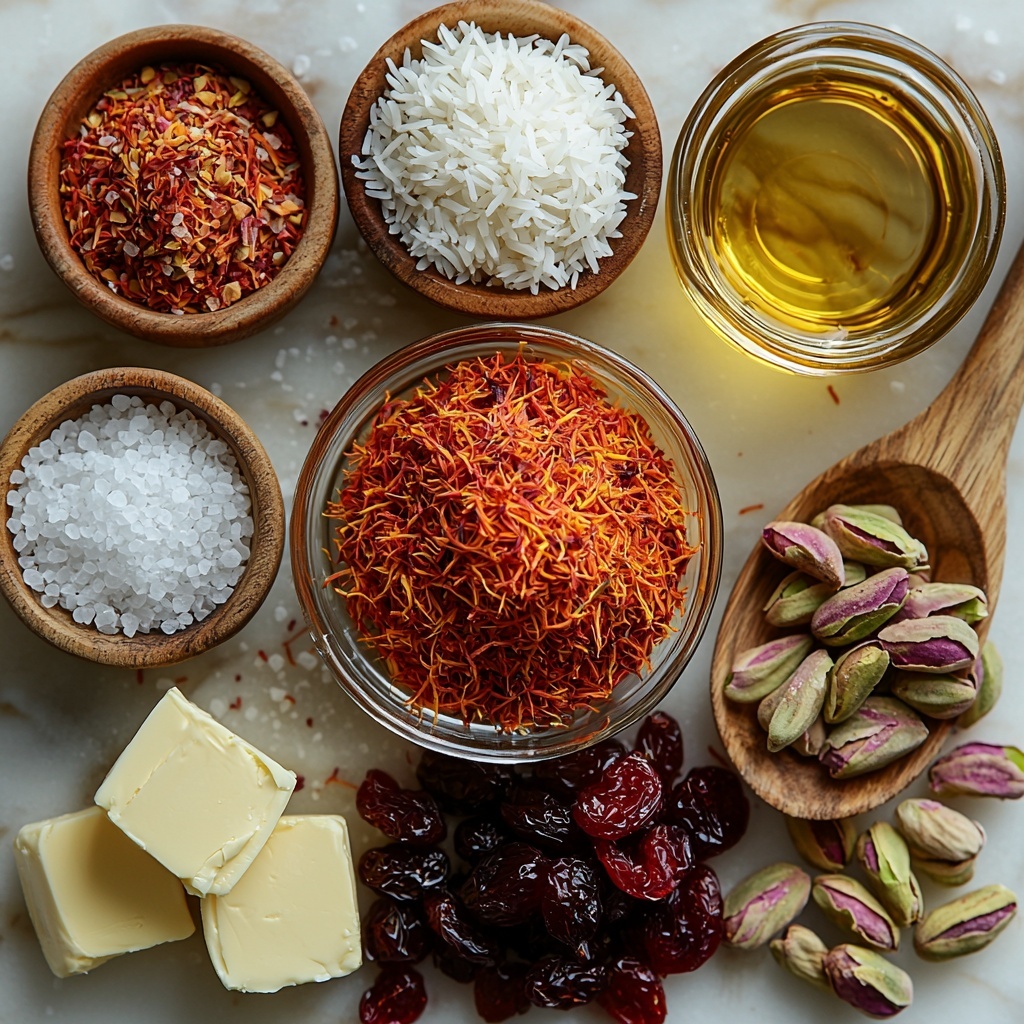
The magic of the Crispy Persian Tahdig with Dried Cherries, Orange Zest, and Pistachios Recipe lies in its thoughtfully simple ingredients. Each element adds a unique layer of flavor or texture, from the fragrant saffron to the luscious tartness of dried cherries, creating a visually stunning and mouthwateringly delicious dish.
- Saffron threads: The soul of the dish, providing that signature golden hue and a delicate floral aroma.
- Basmati rice: The perfect long-grain rice that stays fluffy yet forms a crisp crust beautifully.
- Kosher salt: Essential to season the rice as it cooks, making every grain flavorful.
- Whole milk yogurt: Adds a slight tang and helps tenderize the rice for that soft yet crisp texture.
- Grapeseed oil: A neutral oil that aids in creating the crispy crust without overpowering the other flavors.
- Dried cherries: Finely chopped to infuse sweet and tart bursts throughout the rice layers.
- Orange zest: Brightens the dish with fresh citrus notes that balance sweetness and spice.
- Ground cinnamon: Just a pinch to introduce warm, comforting spice.
- Unsalted butter: Cubed and dotted on top to enrich the crust with buttery goodness.
- Pistachios: Roughly chopped for garnish, adding a lovely crunch and vibrant color.
How to Make Crispy Persian Tahdig with Dried Cherries, Orange Zest, and Pistachios Recipe
Step 1: Infuse the Saffron
Start by steeping saffron threads in a cup of warm water—this gentle infusion coaxes out the deep golden color and fragrant notes that will infuse the rice with that unmistakable Persian flair. It’s like a little potion that transforms simple rice into a rich sensory experience.
Step 2: Rinse the Rice
Rinsing the basmati rice until the water runs clear is key to remove excess starch. This step ensures the grains separate beautifully after cooking and helps achieve that crisp golden crust you want for tahdig.
Step 3: Parboil and Season the Rice
Bring a large pot of salted water to a rolling boil before adding the rice. This is the moment to season the rice itself—so don’t skip or skimp on the salt. Cook the rice just until it’s al dente, about five to six minutes, because it will cook more later during the crust formation.
Step 4: Mix Yogurt, Oil, and Saffron Rice
In a bowl, combine one cup of the cooked rice with yogurt, grapeseed oil, and a couple of tablespoons of the saffron water infusion. This mixture is not only full of flavor but also helps the tahdig develop its creamy, tender layer beneath the crispy crust.
Step 5: Layer the Rice and Flavorings
Spread the saffron-infused rice mixture evenly across the bottom of your pot. Layer on a cup of the remaining plain rice, then sprinkle dried cherries, orange zest, and a pinch of cinnamon. Repeat with another rice layer and toppings until all are used. The layers create beautiful bursts of tart and aromatic flavors within the crispy shell. The dome-shaped “pointy” look is perfect—it shows the rice is steaming up nicely. Dot the top with butter cubes and pour the remaining saffron water over for extra flavor and moisture.
Step 6: Cook the Tahdig to Crispy Perfection
Seal the pot with a lid wrapped in a kitchen towel to catch steam and cook the rice slowly over low heat. This slow baking, about 25 to 30 minutes, lets the bottom achieve that coveted golden crust without burning. You can peek a little to check how golden it’s getting, but patience is key for that perfect crunch.
Step 7: Flip and Garnish
Once the cooking is done, invert the pot onto a large serving plate so the crispy tahdig becomes the crown jewel on top. If some sticks, no worries—that’s homemade charm! Garnish with reserved dried cherries and chopped pistachios for a pop of color and crunch that make this Persian specialty truly unforgettable.
How to Serve Crispy Persian Tahdig with Dried Cherries, Orange Zest, and Pistachios Recipe
Garnishes
Adding chopped pistachios and leftover dried cherries on top not only elevates the dish visually but also enhances each bite with contrasting textures and bursts of natural sweetness. A light sprinkle of fresh herbs like chopped parsley or mint can add a refreshing finish if you like.
Side Dishes
This tahdig pairs wonderfully with a variety of Persian staples such as grilled kebabs, roasted vegetables, or a fresh cucumber and yogurt salad known as mast-o-khiar. The fragrant, crispy rice acts as the perfect base to soak up flavors from stews or savory meat dishes.
Creative Ways to Present
For a festive touch, serve the tahdig in small individual ramekins or mini cast-iron skillets to keep the crispy crust intact and add that wow factor at the table. You could even layer the rice in a clear glass dish for a stunning setup where guests can see the colorful layers of cherries and orange zest.
Make Ahead and Storage
Storing Leftovers
Store leftover tahdig in an airtight container in the refrigerator for up to three days. The crust may soften a bit, but reheating will bring back some crispiness. Make sure it cools completely before sealing to prevent sogginess.
Freezing
You can freeze leftover tahdig by wrapping tightly in foil and placing it in a freezer-safe bag or container. Freeze for up to two months. Thaw overnight in the refrigerator before reheating to preserve texture.
Reheating
The best way to reheat tahdig is on the stovetop over low heat with a little butter or oil in a nonstick pan. Cover and heat slowly until warmed through and crispy again. Avoid using the microwave if you want to keep that coveted crunch.
FAQs
Can I use a different type of rice?
Basmati is ideal for tahdig because its long grains remain separate and firm, which helps create that crispy crust. Short-grain or sticky rice will not produce the same texture, so it’s best to stick with basmati.
What if I don’t have saffron?
Saffron is key for aroma and color, but if it’s unavailable, you can use turmeric for a similar golden color, though the flavor will be different. Consider adding a bit more cinnamon or orange zest to compensate for flavor.
Can I make this vegetarian or vegan?
This recipe is naturally vegetarian. For vegan, substitute yogurt with a plant-based alternative and use olive oil instead of butter, though the flavor and texture will be slightly different.
How do I know when the tahdig is done?
The best indicator is a golden brown crust on the bottom and sides of the rice. Cooking over low heat for 25 to 30 minutes usually achieves this, but you can gently peek or listen for a sizzling sound to guide you.
Why do I need to wrap the lid with a towel?
Wrapping the lid with a towel absorbs excess steam, preventing moisture from dripping back onto the rice and making it soggy. It helps maintain that crisp texture on the bottom layer.
Final Thoughts
There’s something truly magical about the Crispy Persian Tahdig with Dried Cherries, Orange Zest, and Pistachios Recipe—a dish that’s both a feast for the eyes and the palate. It brings together simple ingredients in a way that feels celebratory and comforting all at once. Whether you’re hosting a dinner or craving a new way to enjoy rice, this recipe is a guaranteed crowd-pleaser you’ll want to make again and again. Trust me, once you experience that golden crust and those bursts of cherry and citrus, you’ll be hooked!
Print
Crispy Persian Tahdig with Dried Cherries, Orange Zest, and Pistachios Recipe
- Prep Time: 10 minutes
- Cook Time: 40 minutes
- Total Time: 50 minutes
- Yield: 8 servings
- Category: Side Dish
- Method: Stovetop
- Cuisine: Persian
- Diet: Vegetarian
Description
Tahdig is a classic Persian rice dish known for its delectably crispy and golden crust. This recipe layers saffron-infused basmati rice with yogurt, dried cherries, orange zest, and a touch of cinnamon, cooked gently to create a flavorful, crunchy bottom layer perfect for an impressive and comforting side or main.
Ingredients
Main Ingredients
- 1 tsp saffron threads
- 2 cups basmati rice (like Royal Basmati Rice)
- 1 to 2 tbsp Kosher salt
- 2 tbsp whole milk yogurt (Greek or otherwise)
- 2 tbsp grape seed oil (or any healthy neutral-tasting oil)
- 1 cup dried cherries (finely chopped)
- Grated zest of 1 orange
- 1/2 teaspoon ground cinnamon
- 4 to 8 tbsp unsalted butter (cubed)
- 3 tbsp pistachios (roughly chopped for garnish)
Instructions
- Infuse the saffron: Mix the saffron threads into 1 cup of very warm (not hot) water. Let it steep for at least 10 minutes so the saffron releases its vibrant color and rich flavor.
- Rinse the rice: Place the basmati rice in a sieve and rinse under cool running water until the water runs almost clear to remove excess starch, ensuring fluffy cooked rice.
- Parboil the rice: In a large pot, bring 8 cups of water seasoned with kosher salt to a boil. Add the rice and cook until al dente, about 5 to 6 minutes, then drain the rice thoroughly.
- Prepare the saffron rice mixture: In a medium bowl, combine 1 cup of the cooked rice with the yogurt, grapeseed oil, and 2 tablespoons of the saffron water. Mix well to evenly coat the rice.
- Layer the rice: Spread the saffron-yogurt rice mixture evenly on the bottom of a 10-inch lidded nonstick pot. Layer 1 cup of the remaining rice on top, then sprinkle 2 tablespoons of dried cherries, a pinch of orange zest, and cinnamon. Repeat layering the rice and toppings, reserving some cherries for garnish. The rice will dome and appear pointy; this is expected. Dot the top layer with the cubed butter and pour the remaining saffron water over everything.
- Cook the tahdig: Wrap the pot lid with a kitchen towel and secure it around the handle with a rubber band to prevent condensation dripping. Cover the pot and cook over low heat for 25 to 30 minutes until the edges of the rice are golden and a crust forms on the bottom. Avoid burning the crust while achieving crispiness.
- Invert and serve: Remove the lid and carefully place a large serving plate over the pot. Flip both together to transfer the tahdig onto the plate. If the crust sticks, gently scrape it out. Garnish with the reserved dried cherries and chopped pistachios. Serve immediately for the best texture and flavor.
Notes
- Butter quantity can be adjusted depending on desired richness and crispiness; more butter yields a richer crust.
- Cooking on low heat is essential to develop a crunchy crust without burning the rice. Peeking under the lid occasionally helps monitor progress.
- If you don’t have grapeseed oil, use any neutral oil like vegetable or canola oil.
- Ensure the lid is wrapped with a towel to absorb condensation, preventing water drops from falling onto the rice and ruining the crust.
- This dish is traditionally served hot and fresh as the crust hardens once cooled.