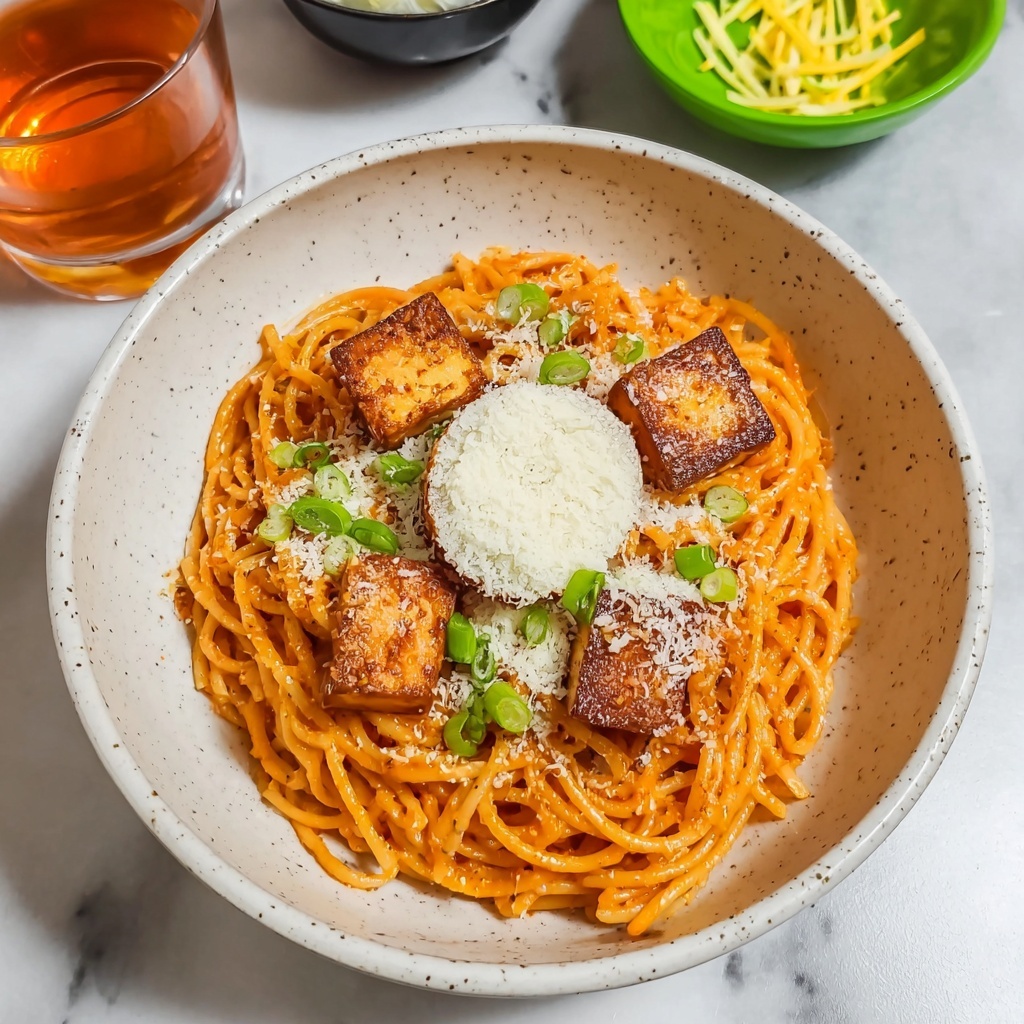
If you’re looking for a dish that takes your weeknight dinners from routine to remarkable, this Creamy Korean Ssamjang Pasta That Redefines Weeknight Meals Recipe is exactly what you need. It brilliantly combines the rich, savory punch of Korean ssamjang with the silky comfort of creamy pasta, creating an unforgettable fusion meal that’s super easy to whip up. Whether you’re craving something indulgent yet simple or want to try a bold new flavor combo, this recipe delivers a vibrant twist that’s sure to delight your taste buds and satisfy your soul.
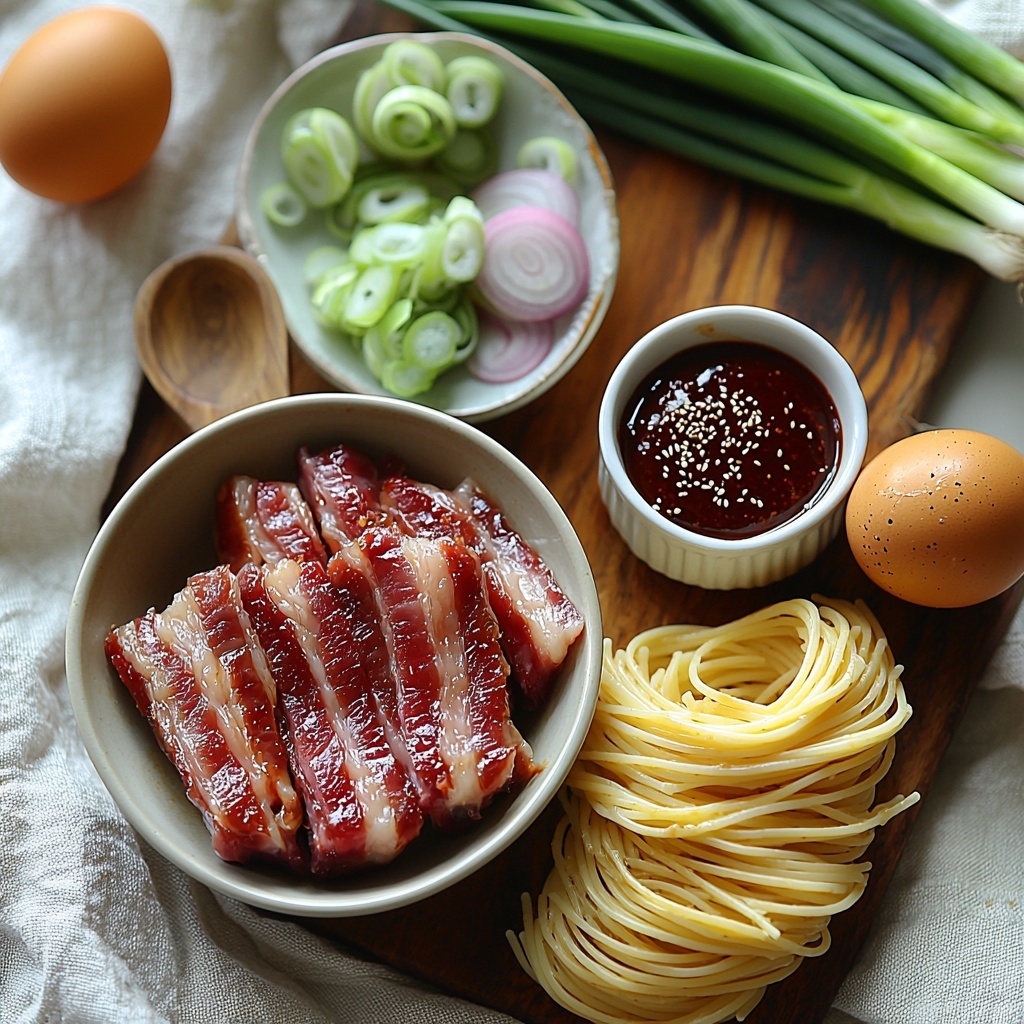
Ingredients You’ll Need
These ingredients are straightforward but essential, each one playing a crucial role in balancing the bold Korean flavors with creamy, comforting textures. With just a handful of pantry and fresh items, you’ll bring this dish to life beautifully.
- 300 g Pasta: Choose your favorite type—spaghetti, penne, or fusilli all work well—as the perfect canvas for the sauce.
- 200 g Pork Belly: Adds crispy, flavorful richness; substitute with chicken or tofu if you want a lighter or vegetarian option.
- 3 tbsp Ssamjang: The star ingredient that delivers the deep, savory Korean taste with a hint of spice and sweetness.
- 50 g Parmesan Cheese: Provides a salty, creamy contrast to the ssamjang; use nutritional yeast as a tasty dairy-free alternative.
- 2 stalks Green Onions: Thinly sliced for a fresh, bright pop that cuts through the richness; chives or leeks can also work.
- 1 Egg (Optional): Whisked in for an extra boost of creaminess and texture; consider a flax egg to keep it vegan-friendly.
How to Make Creamy Korean Ssamjang Pasta That Redefines Weeknight Meals Recipe
Step 1: Prepare the Pasta Perfectly
Start by boiling a large pot of salted water and cook your pasta until just al dente, usually 8 to 10 minutes. Al dente ensures your noodles have that satisfying bite and won’t turn mushy when tossed with the rich sauce. Don’t forget to reserve a cup of that starchy pasta water before draining—it’s pure magic for adjusting your sauce’s texture later.
Step 2: Crisp Up the Pork Belly
While the pasta cooks, heat a skillet over medium-high and cook the sliced pork belly until it turns beautifully browned and crispy, which takes about 5 to 7 minutes. This step builds a savory, fatty crunch that contrasts so well with the silky pasta. Once done, set it aside but keep those flavorful drippings in the pan—they’ll help form the sauce’s base.
Step 3: Create the Ssamjang Sauce
Lower the skillet to medium heat and pour in the reserved pasta water to deglaze the pan. Stir in 3 tablespoons of ssamjang and let it meld with the pork’s savory essence for 2 to 3 minutes until the sauce is smooth and inviting. This transformation is where Korean flavor depth meets creamy comfort.
Step 4: Toss Pasta with Sauce and Pork
Add your drained pasta and crispy pork belly back into the skillet with the ssamjang sauce. Toss everything together for 2 to 3 minutes so the noodles get evenly coated and soak up all that wonderful flavor. If you find the sauce too thick, add a bit more reserved pasta water to reach your preferred creaminess—it’s all about balance.
Step 5: Finish with Cheese and Greens
To complete this dish, sprinkle freshly grated Parmesan and those thinly sliced green onions right over the pasta. The cheese adds a rich umami lift, while green onions bring freshness and a subtle crunch that brighten every bite. Serve this while it’s piping hot to enjoy the full spectrum of flavors and textures.
How to Serve Creamy Korean Ssamjang Pasta That Redefines Weeknight Meals Recipe
Garnishes
Go beyond the usual and consider adding toasted sesame seeds or a drizzle of toasted sesame oil for an earthy, nutty note. A sprinkle of chili flakes can add that perfect little kick if you like things spicy. These garnish options elevate your dish and make it feel special.
Side Dishes
This pasta pairs beautifully with simple sides like steamed or sautéed greens such as spinach or bok choy, which add a fresh, slightly bitter contrast. A light cucumber salad dressed in rice vinegar and sesame seeds also complements the bold, creamy pasta flavors wonderfully.
Creative Ways to Present
For a fun twist, serve this pasta in individual bowls with a garnish of microgreens to add a gourmet touch. If you’re hosting, try placing a soft-cooked egg on top of each plate to boost creaminess and make the meal feel like a true indulgence. Presentation can turn even a weeknight dinner into a memorable experience.
Make Ahead and Storage
Storing Leftovers
Place any leftovers in an airtight container and refrigerate for up to 2 days. The flavors tend to mellow and blend beautifully overnight, making for an even tastier next-day lunch. Just ensure the pasta is fully cooled before sealing to maintain freshness.
Freezing
This Creamy Korean Ssamjang Pasta That Redefines Weeknight Meals Recipe is best enjoyed fresh but can be frozen if needed. Pack the pasta without cheese in a freezer-safe container and freeze for up to one month. Thaw overnight in the fridge before reheating to preserve texture and flavor.
Reheating
Reheat your leftovers gently in a skillet over medium-low heat, adding a splash of water or broth to loosen the sauce. Avoid microwave reheating when possible, as it can toughen the pork and dry out the pasta. Stir frequently to restore that creamy consistency and ensure even heating.
FAQs
Can I use other proteins instead of pork belly?
Absolutely! Chicken breast or thighs are great alternatives that provide a leaner option. For a vegetarian twist, firm tofu works wonderfully. Just adjust cooking times to ensure your protein reaches the perfect doneness.
Is ssamjang spicy?
Ssamjang typically has a mild to moderate spiciness balanced by savory and slightly sweet flavors. If you’re sensitive to spice, start with less and adjust to taste. It’s that perfect blend that enriches the pasta without overwhelming your palate.
How can I make this recipe vegan?
Swap pork belly for tofu or mushrooms and use nutritional yeast instead of Parmesan to keep the umami depth intact. Replace the egg with a flax egg or skip it entirely—the recipe is delicious either way!
What type of pasta works best?
While you can use any pasta shape you love, those with ridges or twists like fusilli, penne, or rigatoni do a fantastic job of holding onto the creamy ssamjang sauce, maximizing every flavorful bite.
Can I prepare parts of this recipe ahead of time?
You can cook the pork belly and make the sauce in advance, then refrigerate separately. When ready to eat, just cook your pasta fresh, combine with warmed sauce and pork, and toss together for a quick meal that tastes like you just made it.
Final Thoughts
This Creamy Korean Ssamjang Pasta That Redefines Weeknight Meals Recipe is a true game-changer for dinner time. With its incredible melding of bold Korean flavors and smooth, rich creaminess, it’s the kind of dish you’ll want to make again and again. I can’t recommend it enough if you’re craving something that’s both comforting and exciting. So grab your ingredients, get cooking, and treat yourself to a pasta night that’s anything but ordinary!
Print
Creamy Korean Ssamjang Pasta That Redefines Weeknight Meals Recipe
- Prep Time: 5 minutes
- Cook Time: 20 minutes
- Total Time: 25 minutes
- Yield: 4 servings
- Category: Main Course
- Method: Stovetop
- Cuisine: Korean Fusion
Description
This creamy Korean Ssamjang Pasta is a flavorful fusion dish that combines the spicy umami depth of ssamjang with tender pork belly and al dente pasta for a quick and satisfying weeknight meal. The dish is elevated with Parmesan cheese and green onions, delivering a perfect balance of creamy, savory, and fresh notes in just 25 minutes.
Ingredients
Pasta
- 300 g pasta (any type, cooked al dente)
Protein
- 200 g pork belly (substitute with chicken or tofu if desired)
Sauce & Flavorings
- 3 tbsp ssamjang (main sauce ingredient)
- 50 g Parmesan cheese (or nutritional yeast for dairy-free)
- 2 stalks green onions (thinly sliced; can substitute with chives or leeks)
- 1 egg (optional for extra creaminess; consider a flax egg for vegan)
Instructions
- Cook Pasta: Boil a large pot of salted water and cook the pasta until al dente, about 8-10 minutes. Reserve 1 cup of the pasta cooking water before draining the pasta.
- Cook Pork Belly: In a skillet over medium-high heat, cook the sliced pork belly for 5-7 minutes until browned and crispy. Once cooked, remove the pork belly from the skillet and set aside.
- Prepare Sauce: Reduce the heat to medium and return the skillet to the stove. Add the reserved pasta water to the skillet and stir in the ssamjang paste. Cook and stir for 2-3 minutes until the sauce becomes smooth and slightly thickened.
- Toss Pasta and Pork: Add the drained pasta and cooked pork belly back into the skillet with the sauce. Toss everything together for 2-3 minutes to fully combine and allow the flavors to meld. Add more reserved pasta water if you want to adjust the creaminess and consistency of the sauce.
- Finish and Serve: Plate the creamy Korean ssamjang pasta and garnish with grated Parmesan cheese and thinly sliced green onions. Serve immediately while hot.
Notes
- Pork belly can be substituted with chicken or tofu for different dietary preferences.
- For a dairy-free version, use nutritional yeast instead of Parmesan cheese.
- The egg is optional but adds extra creaminess; for a vegan alternative, use a flax egg.
- Reserve pasta water is key to adjusting the sauce consistency, so don’t skip reserving it.
- Ssamjang paste is a Korean fermented chili and soybean paste that adds savory, spicy, and umami flavor.