
“`html
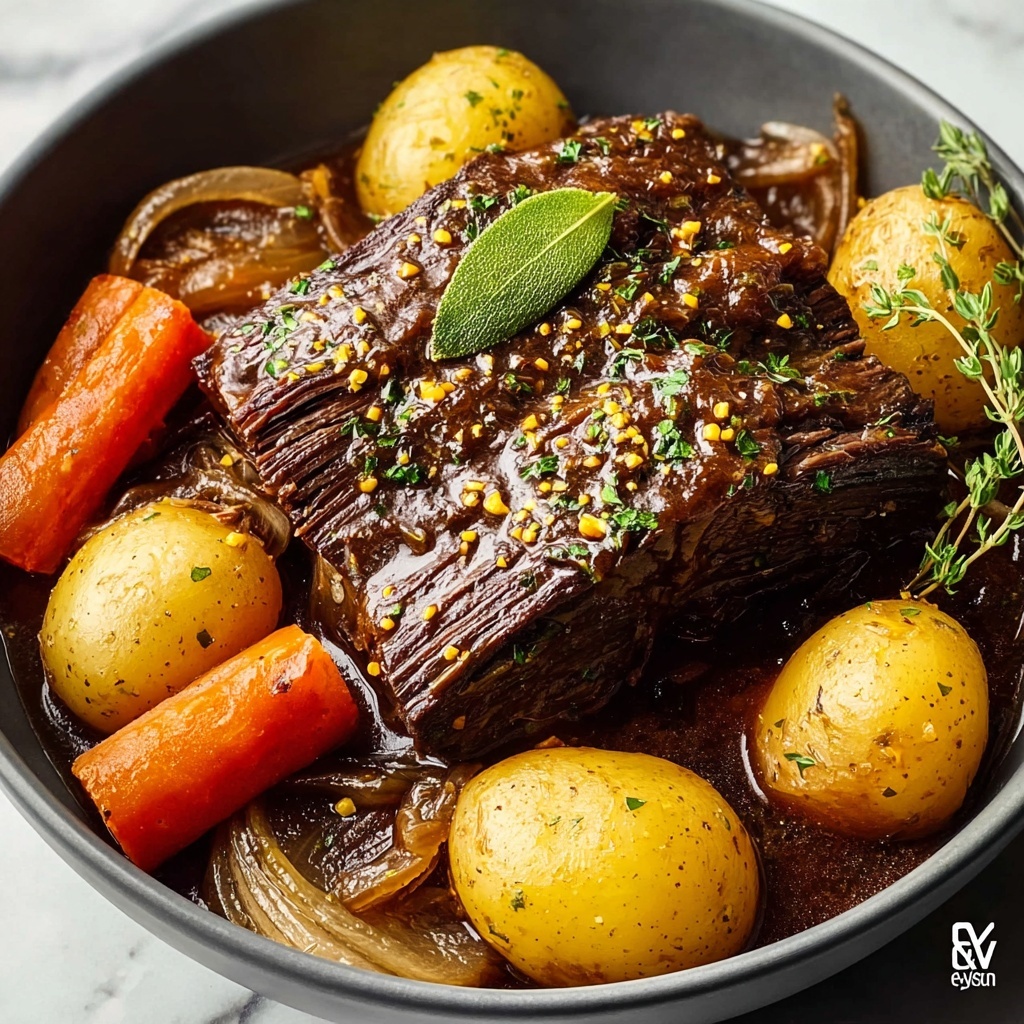
If you’ve ever dreamed of sinking your teeth into a tender, flavor-packed pot roast that carries a wonderfully tangy and rich sauce, the Sauerbraten German Pot Roast Recipe is exactly what you’ve been waiting for. This classic German dish is a celebration of slow-cooked beef marinated to perfection, delivering a harmony of sour, sweet, and savory notes with every bite. It’s a standout recipe that turns humble ingredients into something truly special, and I can’t wait to walk you through making it just like my grandma’s Sunday dinners.
Ingredients You’ll Need
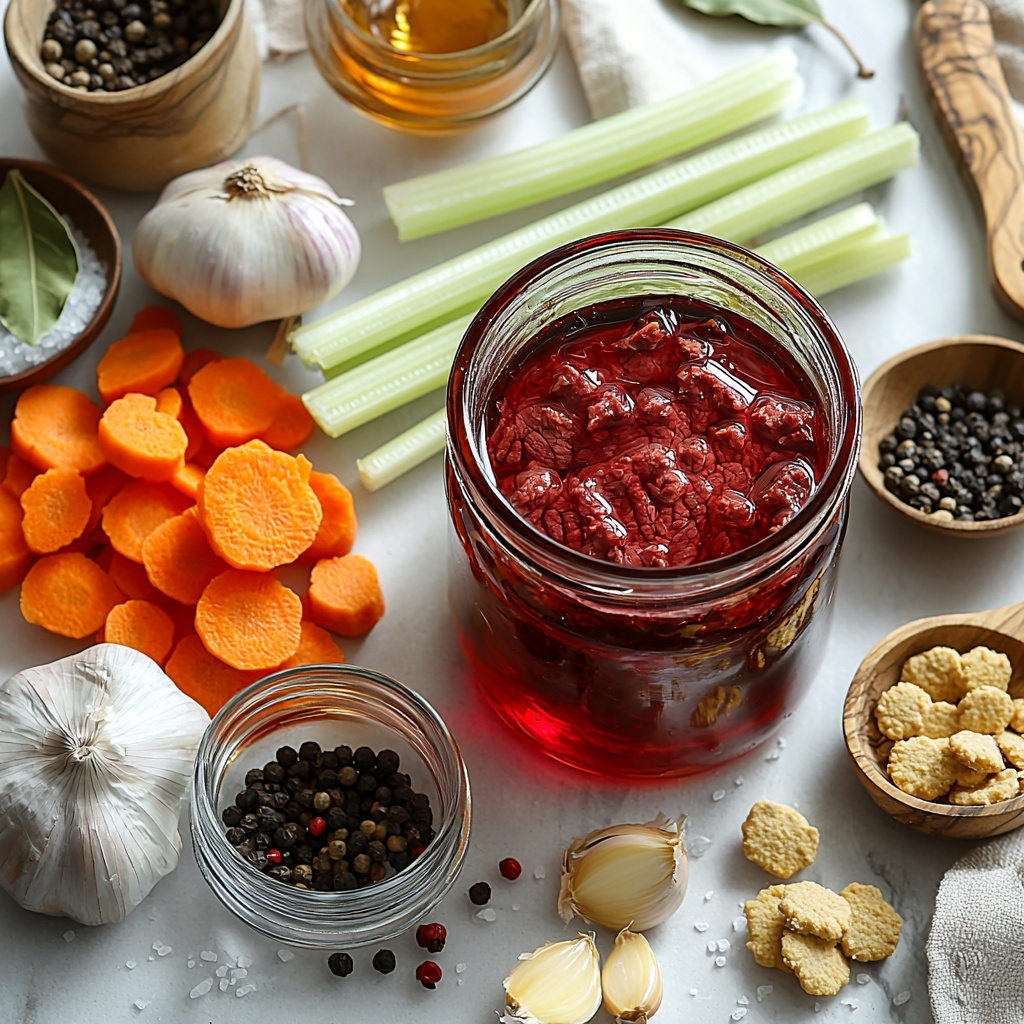
Each ingredient in this Sauerbraten German Pot Roast Recipe plays a vital role in crafting the perfect depth of flavor and irresistible texture. The simplicity of these staples belies their importance—they bring brightness, earthiness, and just the right hint of sweetness and spice, all weaving together in a beautiful balance.
- 480 ml red wine vinegar or a mixture of red wine and vinegar: This provides the signature tangy backbone that tenderizes the beef and brightens the sauce.
- 480 ml water: Lightens the marinade while infusing moisture into the roast.
- 1 large onion, sliced: Adds sweetness and aromatic depth during marinating and cooking.
- 2 carrots, chopped: Bring a subtle earthiness and natural sweetness to the marinade.
- 2 celery stalks, chopped: Offers a crunchy undertone of freshness to the flavor base.
- 2 cloves garlic, smashed: A punch of savory warmth that rounds out the marinade’s character.
- 10 whole black peppercorns: Add just the right kick and complexity without overpowering.
- 4 whole cloves: These give a subtle spicy sweetness that’s unmistakably cozy and comforting.
- 2 bay leaves: Impart a herbal, slightly floral note that elevates the entire dish.
- 1 teaspoon mustard seeds (optional): Adds a mild pungency and texture contrast in the marinade.
- 1 tablespoon granulated sugar or brown sugar: Balances acidity with gentle sweetness for a well-rounded sauce.
- 1.4–1.8 kg beef roast (bottom round or chuck): The hearty centerpiece chosen for its flavor and tenderness after slow cooking.
- Salt, to taste: Essential for enhancing all the natural flavors.
- Freshly ground black pepper, to taste: Adds fresh spice during cooking and at the table.
- 2 tablespoons neutral oil or butter, for searing: Helps create a beautifully browned crust packed with flavor.
- 1–2 tablespoons flour (optional, for thickening): Gives you control over sauce thickness if you prefer a more traditional gravy texture.
- 8–10 gingersnap cookies, crushed: A secret ingredient that thickens the sauce while adding a subtle spiced sweetness unique to this dish.
How to Make Sauerbraten German Pot Roast Recipe
Step 1: Prepare the Marinade
Begin by combining the red wine vinegar (or your blend of red wine and vinegar) with water and the whole bouquet of aromatics—onion, carrots, celery, garlic, black peppercorns, cloves, bay leaves, mustard seeds, and sugar—in a large pot. Bring this mixture to a boil to meld and release the vibrant flavors, then cool it completely before proceeding. This marinade is the heart of the Sauerbraten German Pot Roast Recipe, infusing the beef with its signature tangy, spiced personality.
Step 2: Marinate the Beef
Next, place your beef roast in a large glass or ceramic container and pour the cooled marinade over it until fully submerged. Cover the dish and refrigerate for 48 to 72 hours, making sure to turn the meat at least once daily. This slow marinade tenderizes the roast and builds the complex flavor foundation that makes Sauerbraten so memorable.
Step 3: Sear the Roast
After marinating, remove the beef from the liquid and pat it dry thoroughly to ensure a perfect sear. Strain the marinade and set both aside. Heat a neutral oil or butter in a Dutch oven over medium-high heat and brown the beef on all sides. This searing step locks in juices and introduces a rich caramelized exterior that contrasts beautifully with the tender interior.
Step 4: Cook the Vegetables and Beef Together
Using the same pot, toss in the strained vegetables from the marinade and sauté them until aromatic—this deepens their flavor and softens them up for the sauce. Then, nestle your roast back into the pot and pour in the reserved marinade so it covers about two-thirds of the meat. Bring everything to a gentle simmer, cover, and let it cook slowly over low heat for 2.5 to 3 hours—or, if you prefer, transfer the covered Dutch oven to a 165°C oven to roast. You’re aiming for meat that’s fork-tender and bursting with flavor.
Step 5: Finish the Sauce and Serve
Once the roast is done, transfer it to a platter and let it rest while you strain the cooking liquid. Return the strained liquid to the pot and bring it to a simmer. Whisk in the crushed gingersnap cookies (or flour if you’re thickening traditionally) until the sauce is smooth and luscious. Taste and adjust seasoning with salt, pepper, or a touch more sugar if needed. Slice the rested beef and serve with generous ladles of this tangy, spiced gravy that’s pure comfort on a plate.
How to Serve Sauerbraten German Pot Roast Recipe
Garnishes
A sprinkle of fresh parsley adds a pop of color and a fresh herbal note to your Sauerbraten German Pot Roast Recipe. For an extra traditional touch, a few whole gingersnap cookies on the side intrigue guests and complement the sauce’s spiced sweetness.
Side Dishes
This dish truly shines when paired with classic German sides like braised red cabbage, buttery boiled potatoes, or fluffy spaetzle. Potato dumplings add the perfect hearty bite and soak up all that incredible gravy. These comforting sides balance the tangy richness of the roast beautifully, making for a complete and satisfying meal.
Creative Ways to Present
For a unique spin, serve the Sauerbraten sliced thinly atop buttery mashed potatoes with a drizzle of the sauce, garnished with caramelized onions. Alternatively, turn the sliced roast into hearty sandwiches on rustic bread, layering with mustard and pickled red cabbage for a lunch that nods to German flavors with a modern twist.
Make Ahead and Storage
Storing Leftovers
Leftover Sauerbraten should be stored in an airtight container in the refrigerator and will keep well for 3 to 4 days. The flavors actually deepen after resting, so feel free to enjoy it the next day just as much, if not more.
Freezing
You can freeze cooked Sauerbraten in a freezer-safe container or heavy-duty bag for up to 3 months. Be sure to freeze it with plenty of sauce to keep the meat moist and flavorful when reheated.
Reheating
Reheat leftovers gently on the stovetop over low heat, covered, to prevent drying out. Adding a splash of water or broth helps keep the meat tender. Avoid microwave reheating if possible, as it can toughen the beef and mute the sauce’s nuanced flavors.
FAQs
What cut of beef is best for Sauerbraten?
Bottom round or chuck roast works best for Sauerbraten because these cuts become tender and flavorful through slow cooking and long marinating, soaking up all the delicious marinade flavors.
Can I speed up the marinating process?
While it’s tempting, the distinct tang and tenderness of Sauerbraten come from marinating for 48 to 72 hours. Rushing this step will sacrifice depth of flavor and the melt-in-your-mouth texture.
What can I use if I don’t have gingersnap cookies?
Ground ginger and a touch of cinnamon mixed with flour can mimic the spice profile, but crushed gingersnap cookies add a uniquely authentic sweetness and thickness that’s hard to replicate perfectly.
Is it necessary to sear the beef before braising?
Yes, searing the beef locks in juices and creates a flavorful crust that enhances the overall dish. Skipping this step can lead to a less rich and appealing final result.
Can I prepare Sauerbraten in a slow cooker?
Absolutely! After searing and assembling in a slow cooker with the marinade and vegetables, cook on low for 8-10 hours. Just be sure to strain and thicken the sauce at the end for that classic Sauerbraten finish.
Final Thoughts
Making Sauerbraten German Pot Roast Recipe at home is like opening a warm invitation to comfort, tradition, and bold flavors. With its tender beef and tangy, spiced sauce, this dish offers a little piece of German culinary magic for your table. I encourage you to give this recipe a try—it’s a beautiful way to slow down, savor each bite, and create memories around hearty, soulful food.
“`
Print
Sauerbraten German Pot Roast Recipe
- Prep Time: 20 minutes
- Cook Time: 3 hours
- Total Time: 3 days (including 2-3 days marinating)
- Yield: 6 servings
- Category: Main Dish
- Method: Stovetop
- Cuisine: German
Description
Sauerbraten is a traditional German pot roast known for its unique sweet and sour flavor, achieved by marinating beef in a spiced vinegar-based mixture before slow cooking. This hearty dish is tender, aromatic, and served with a rich gravy made from the marinade and crushed gingersnap cookies, perfectly complemented by classic German side dishes.
Ingredients
Marinade
- 480 ml red wine vinegar or a mixture of red wine and vinegar
- 480 ml water
- 1 large onion, sliced
- 2 carrots, chopped
- 2 celery stalks, chopped
- 2 cloves garlic, smashed
- 10 whole black peppercorns
- 4 whole cloves
- 2 bay leaves
- 1 teaspoon mustard seeds (optional)
- 1 tablespoon granulated sugar or brown sugar
Main
- 1.4–1.8 kg beef roast (bottom round or chuck)
- Salt, to taste
- Freshly ground black pepper, to taste
- 2 tablespoons neutral oil or butter, for searing
Thickening the Sauce
- 1–2 tablespoons flour (optional, for thickening)
- 8–10 gingersnap cookies, crushed
Instructions
- Prepare the Marinade: Combine the red wine vinegar, water, sliced onion, chopped carrots, chopped celery, smashed garlic, black peppercorns, cloves, bay leaves, mustard seeds (if using), and sugar in a large pot. Bring the mixture to a boil, then remove from heat and allow it to cool completely.
- Marinate the Beef: Place the beef roast in a large glass or ceramic dish and pour the cooled marinade over it. Cover and refrigerate for 48 to 72 hours, turning the meat once daily to ensure even flavor absorption.
- Sear the Beef: Remove the beef from the marinade and pat it dry with paper towels. Strain and reserve the marinade. Heat the neutral oil or butter in a Dutch oven or heavy pot over medium-high heat. Sear the beef on all sides until it develops a deep brown crust, then transfer the meat to a plate.
- Sauté the Vegetables: Add the strained vegetables from the marinade into the same pot and sauté them for several minutes until aromatic and lightly caramelized. Return the seared beef to the pot.
- Cook the Beef: Pour the reserved marinade into the pot so that it covers about two-thirds of the beef. Bring to a gentle simmer, cover, and cook over low heat on the stovetop for 2.5 to 3 hours until the meat is fork-tender. Alternatively, you can cover and roast the pot in a preheated 165°C (329°F) oven for the same amount of time.
- Prepare the Sauce: Once the beef is cooked, transfer it to a platter and let it rest. Strain the cooking liquid and return it to the pot. Bring it to a simmer, then whisk in crushed gingersnap cookies, or flour if using, stirring continuously until the sauce thickens and becomes smooth. Adjust seasoning with salt, pepper, or additional sugar as needed to balance the flavors.
- Serve: Slice the beef roast and serve it with generous ladles of the tangy, spiced gravy. For a traditional meal, accompany with sides such as red cabbage, boiled potatoes, potato dumplings, or spaetzle.
Notes
- Marinating the beef for at least 48 hours is essential to develop the characteristic sour and sweet flavor of Sauerbraten.
- Gingersnap cookies help naturally thicken and flavor the sauce, but flour can be used as a substitute if needed.
- For best results, use a fatty and flavorful cut like bottom round or chuck roast.
- Adjust the sugar and vinegar balance in the marinade to taste, depending on how tangy or sweet you prefer the dish.
- Sauerbraten traditionally pairs well with hearty German sides to balance its rich flavor.